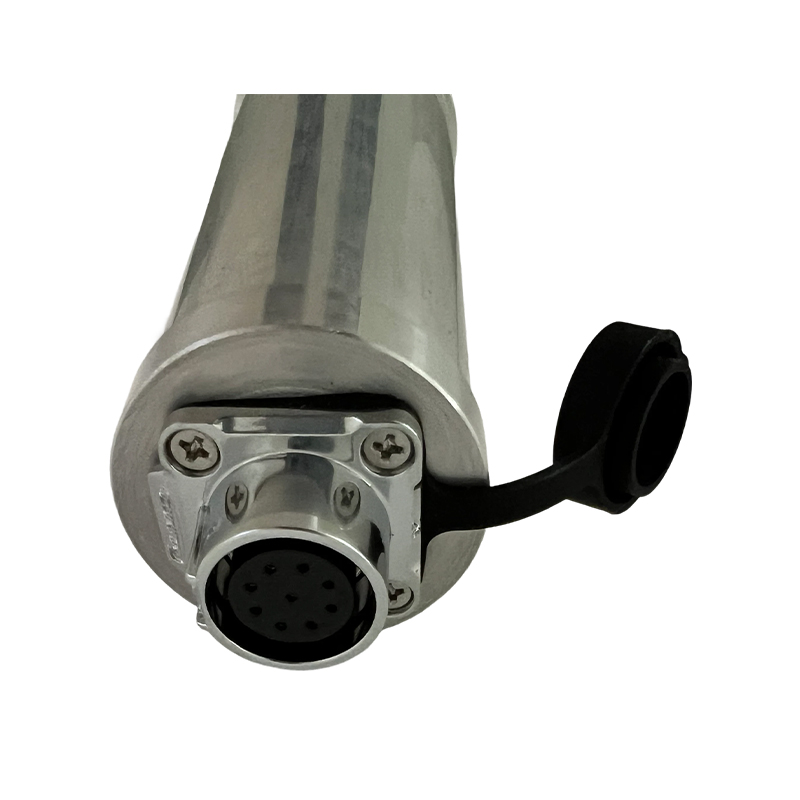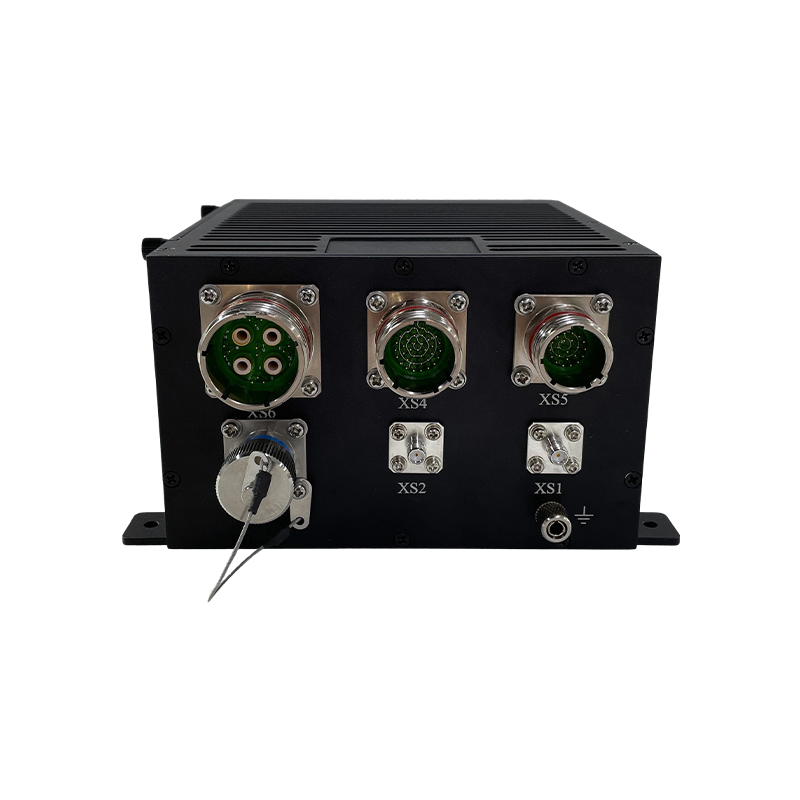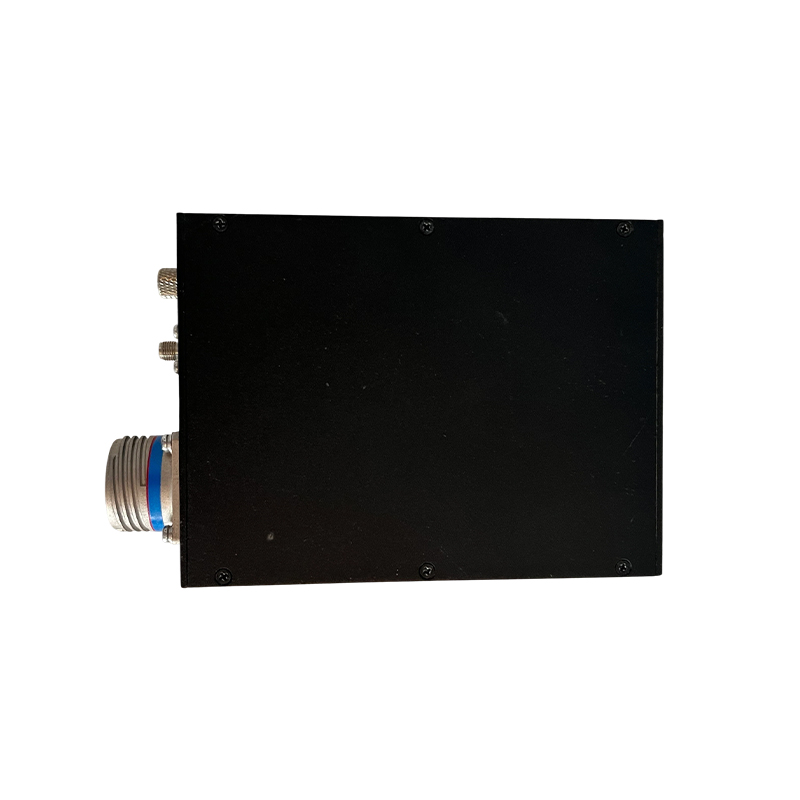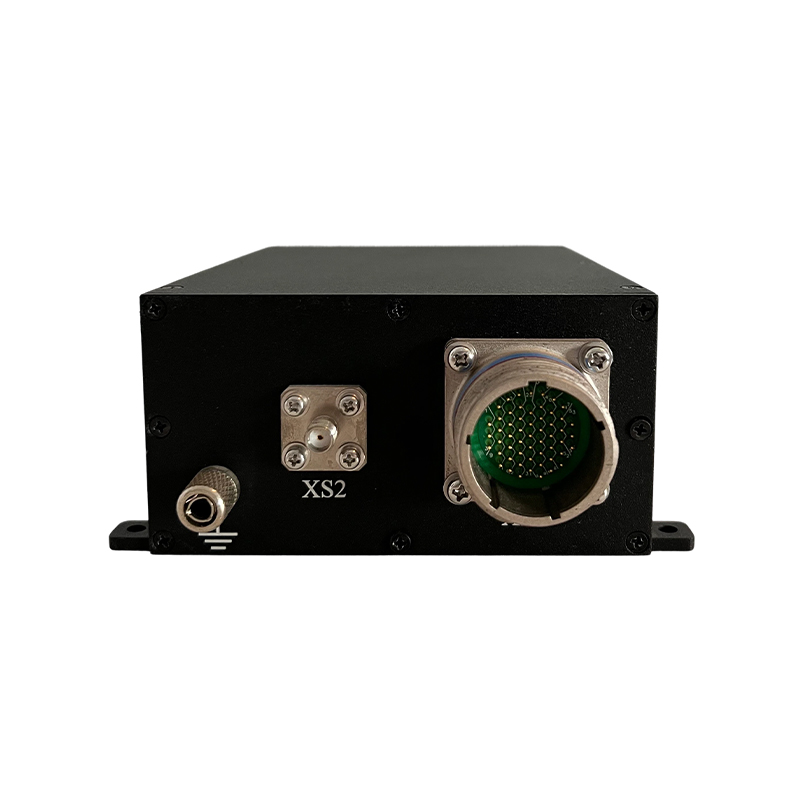

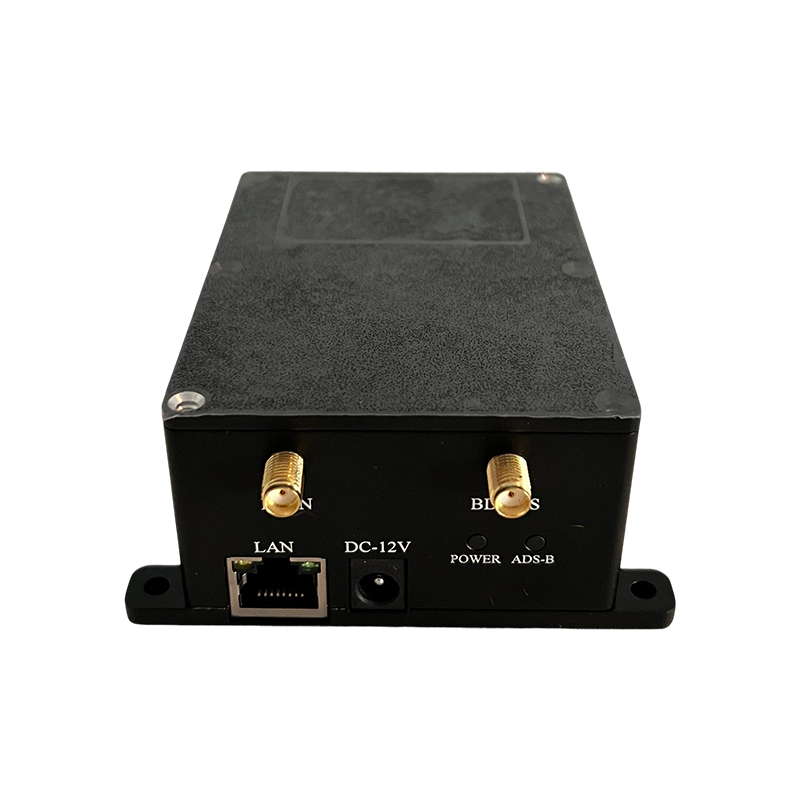
As a crucial component of modern aerial surveillance and UAV sensing systems, the core function of the Airborne ADS-B receiver is the real-time reception, analysis, and output of ADS-B signals broadcast from aerial targets.
In the grand system of global ocean monitoring and shipping management, space-based reception of Automatic Identification System (AIS) signals is a core means to overcome the limitations of ground-based monitoring and achieve comprehensive global surveill
The operational tempo of modern Unmanned Aerial Vehicles (UAVs) has evolved rapidly, transforming drones from simple remote-controlled aircraft into sophisticated, autonomous data centers in the sky.
The ER51UAA airborne AIS receiver represents a significant leap forward in maritime surveillance technology, primarily due to its foundational reliance on Software Defined Radio (SDR) architecture.
As a key device for maritime traffic monitoring, the Airborne AIS receiver needs to reliably receive multi-band AIS signals in complex electromagnetic environments.
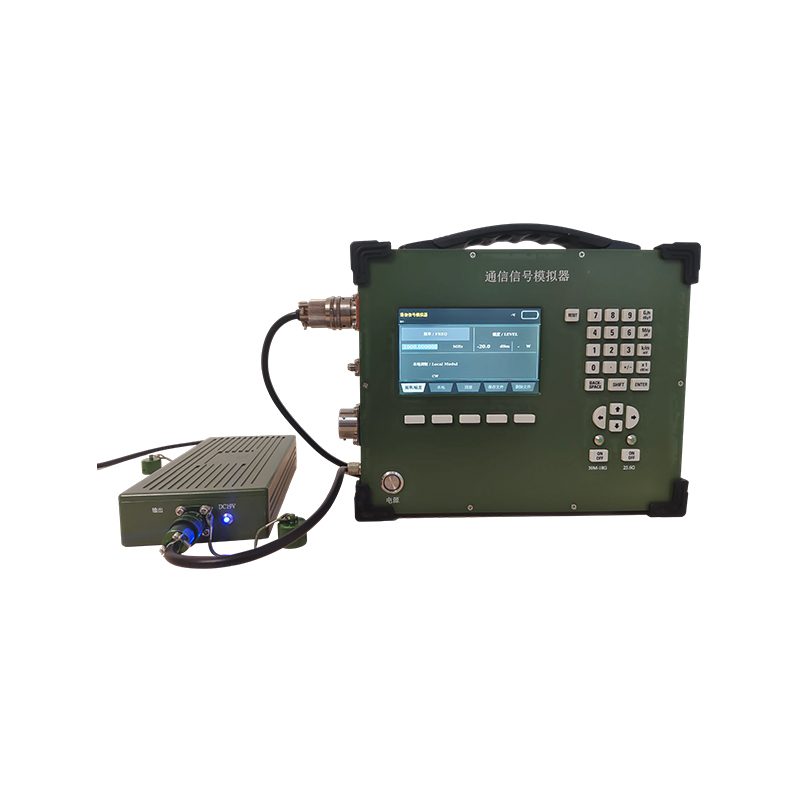
A communication analog signal source, meticulously designed based on a software-defined radio (SDR) platform, is completely changing this situation with its miniaturization, low power consumption, and high flexibility.